Fifty Cents of Fame: Why Stickers Are the Loudest Cheap Marketing in America
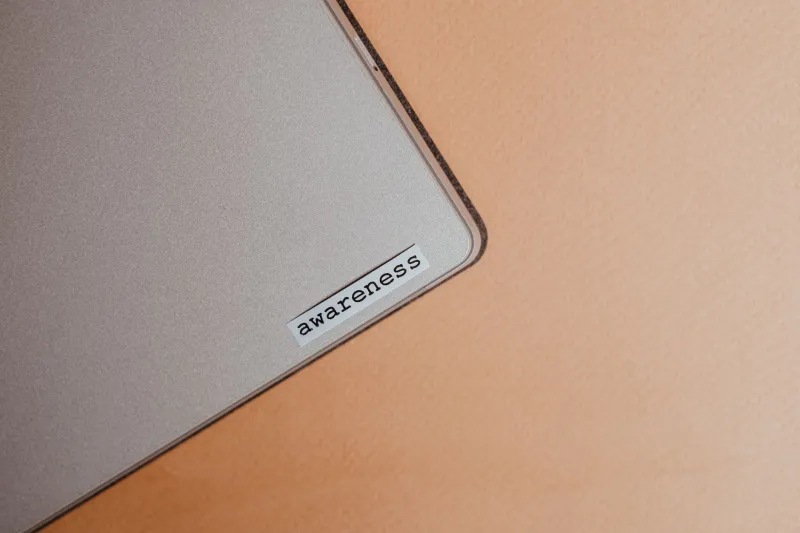
There's a decent chance you're within ten feet of a sticker right now. A laptop lid, a water bottle, a cooler, a toolbox, a car window. Somewhere in the last decade, stickers went from gas-station freebie to genuine marketing channel — and small businesses are the biggest winners.
The math is almost silly. A well-made die-cut sticker costs somewhere between fifty cents and a dollar in small quantities. If it ends up on a laptop that gets carried into a coffee shop, a gym, and an airport every week, that's thousands of impressions for less than the cost of a single boosted social post. No algorithm decides who sees it. No ad fatigue. Just a customer voluntarily wearing your brand around town.
Why Stickers Outperform Their Price Tag
Stickers work because of a quirk of psychology: people don't put things on their stuff unless they like it. A follower can scroll past your post. A sticker owner has made a tiny public declaration — 'I'm part of this.' That's not advertising; that's identity. And identity travels.
Compare that to other print collateral. A flyer gets read once and tossed. A sticker gets stuck and kept for years. It might be the only piece of marketing you produce with a lifespan measured in half-decades.
The Anatomy of a Sticker People Actually Use
Not all stickers earn their spot on a laptop. A few things separate the keepers from the junk drawer:
Size: 2 to 3 inches. Big enough to read your name, small enough to fit a water bottle or phone case. Anything over 4 inches starts feeling like a bumper sticker, which is a much bigger commitment.
Die-cut over square. A sticker cut to the shape of your logo or mascot instantly looks more considered than a white rectangle with something printed on it. If your logo is text-heavy, consider a simplified mark just for stickers.
Durable vinyl, not paper. Dishwashers exist. So does rain. Laminated vinyl with a UV-resistant ink setup survives bottle holders, sun-baked dashboards, and the occasional trip through the rinse cycle. Cheap paper stickers peel, and a peeling sticker is negative advertising.
One clear element. Your logo, a short tagline, maybe a website. Stickers aren't the place for your full service list.
Distribution: Get It in the Right Hands
The best sticker strategy isn't 'hand them out to everyone.' It's 'get them to the people likely to display them.'
- Slip one in every order. E-commerce brands built empires on this move. It costs pennies and turns every package into a potential billboard.
- Reward the superfans. Give stickers free with purchases or as a loyalty perk rather than dumping a stack on the counter. Scarcity raises the perceived value.
- Local events and trailheads. If you're in a town with a proud identity — think ski towns, college towns, beach communities — location-themed stickers get placed on coolers and car windows for years.
- Trade with other businesses. Cross-promote with the coffee shop or brewery next door. Their fans become your audience, one laptop at a time.
Who's Doing It Right
Look at brands like Yeti, whose sticker became a badge of outdoor identity long before the coolers did. Chaco built a following partly on 'worn means earned' culture that stickers fed into. Countless local breweries and coffee roasters — the real engine of American sticker culture — trade designs like baseball cards. The common thread: the sticker is something people want even before they know the brand.
That's the bar. If a stranger would put your sticker on their stuff without knowing what you sell, you've made something worth printing. We'd be happy to help you get there — and yes, we'll want a sticker for the shop laptop.