Election Season Is a Print Bootcamp — Here's What Campaign Shops Can Teach Your Business
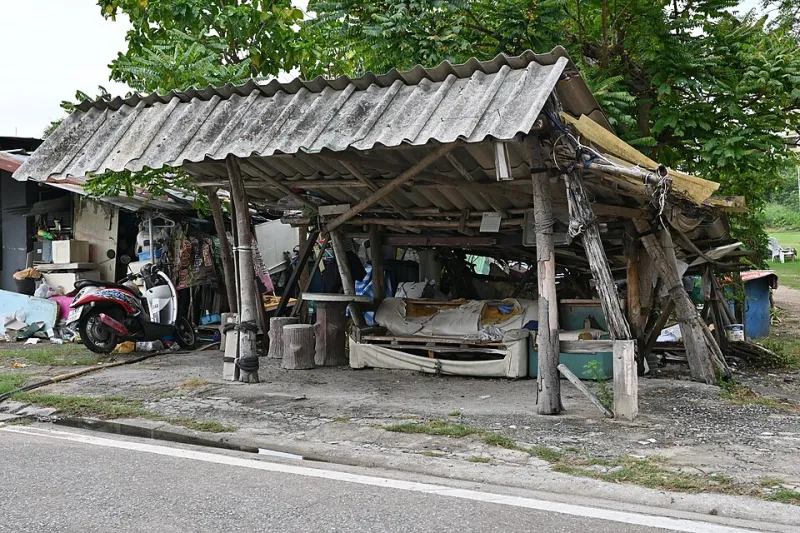
Photo: PattayaPatrol, CC BY-SA 4.0, via Wikimedia Commons
Every two years, somewhere in America, a print shop pulls an all-nighter because a candidate changed a slogan on October 28th and needs 40,000 yard signs by November 1st. It happens like clockwork. And somehow, the signs show up — correct, weatherproof, and sorted by the precincts they're headed to.
Most small businesses will never face that kind of pressure. But the tactics campaign printers use under it? Those translate beautifully to your next banner order, your storefront signage, even your direct mail run. Here's what the political print machine knows that most local shops don't.
Batch Everything, Even When It Feels Overkill
Campaign printers never print one job at a time. They group orders by ink color, by substrate, by delivery region. A run of 5,000 signs for one candidate might share press time with 15,000 more for three down-ballot races, all because the coroplast stock and the ink were already loaded.
The small-business translation is simple: stop treating every print need as a separate emergency. If you know you'll need yard signs in the spring, a banner for the summer festival, and window graphics before the holidays, talk to your printer about consolidating the year. Batching gets you better pricing, consistent color across every piece, and one less fire drill per quarter.
Design for the Route, Not Just the Wall
Here's a detail that surprises people: campaign printers often sort finished signs by distribution route before they leave the shop. Volunteers hitting precinct 12 get a bundle; precinct 14 gets another. The printing and the logistics are one operation.
Think about your own signage that way. A grand-opening banner is great, but where exactly does it hang? Who installs it? How many zip ties and stakes do they need? The businesses that get the most from print are the ones planning distribution at the design stage — ordering the right hardware, sizing signs for the actual viewing distance on that specific corner, and sequencing deliveries so nothing sits in a stockroom for a month.
Weatherproofing Isn't a Feature, It's the Baseline
Campaign signs live outdoors through October sleet, November wind, and the occasional encounter with a snowplow. Political printers know coroplast flutes fill with water if the edges aren't finished right, that cheap inks fade in three weeks of direct sun, and that a sign that falls flat in a storm is a sign nobody sees.
Your storefront sign and event banners deserve the same skepticism. Ask what the stock is rated for. Ask about UV inks if it's living outside for more than a season. A five-dollar difference per unit that buys you an extra year of legibility is the cheapest marketing upgrade you'll ever make.
Zero Tolerance for Error Means Proofing Like It's Election Day
A misspelled candidate name on 10,000 signs isn't a typo — it's a campaign-ending embarrassment and a six-figure loss. So political printers build redundancy into proofing: multiple sets of eyes, signed approvals at every stage, and hard checkpoints where nothing moves forward without a yes.
Small businesses tend to skim this part. It's your name on the card, though, and "close enough" has burned plenty of local shops on everything from phone numbers to street addresses. Build your own checkpoint: one person who didn't design it reviews it, reads every digit aloud, and signs off. Two minutes of diligence versus a reprint.
Deadlines Are Real; Buffer Is Strategy
Campaign printers work backward from election day with ruthless precision. If signs need to be up two weeks out, and distribution takes four days, and printing takes two, the design was locked long before that. There's no "we'll figure it out."
Your business calendar has its own election days — the trade show, the festival, the soft opening. Map backward from the date, add buffer for the inevitable surprise, and lock your print order early. Printers reward early customers with better pricing and more attention. Late customers get whatever slot's left.
The Takeaway
You don't need campaign-scale volume to borrow campaign-scale discipline. Batch your print needs, plan the distribution, demand weatherproof stock, proof like a campaign manager, and work backward from your deadline. The shops that run print like an operation — not an afterthought — are the ones whose signage is still standing sharp while the competition's is curled up in a gutter.
Need help building a print plan that runs as tight as a campaign? That's our favorite kind of conversation.