The Follow-Up Nobody Scrolls Past: Handwritten Notes and the Art of the Second Impression
The job's done. Check cleared. Crew loaded the truck. And then... nothing. That's where most service businesses end the relationship — and where the smart ones start it.
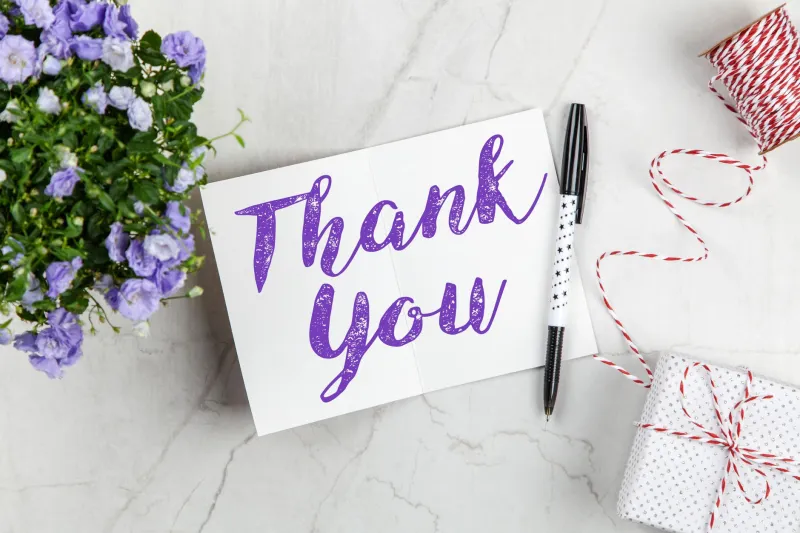
A handwritten thank-you note sounds like something your grandmother would insist on. But in a market where every competitor sends the same automated 'thanks for your business!' email that lands in a promotions tab, an actual card with actual ink on it has become a genuine competitive weapon. It's not nostalgia. It's scarcity.
Why the Mailbox Beats the Inbox
Emails are free, which is exactly the problem. Nobody assigns value to something that costs nothing to send. A card, though — a real one, addressed by hand, with a stamp — signals that someone spent time and thought on you specifically.
The numbers back it up. Direct mail response rates routinely outperform email by a wide margin, and personalization pushes that further. But forget the stats for a second and think about your own kitchen counter. When a card shows up with handwriting on the envelope, you open it first. Everyone does.
For realtors, this is practically folklore. The agent who drops a handwritten note after closing — and again on the client's home anniversary — is the agent whose name comes up at the neighborhood barbecue three years later. Contractors who send a quick card after the final walkthrough get the remodel referral. The invoice is transactional. The note is relational.
Timing: When a Note Actually Lands
Send too late and you're an afterthought. Send too early and it feels like a sales tactic. A few rules of thumb that work across trades:
- Within 48 hours of completion. The job is fresh, the relief is real, and your note rides that wave. A painter finishing on Friday should have a card in Monday's mail.
- After the first problem is solved. If a client calls with a question or a snag and you fix it fast, that's note-worthy. Turning a complaint into a card is how you keep a customer instead of losing one quietly.
- On the anniversary. For realtors especially, the one-year home anniversary card is the single highest-return piece of mail in the industry. No pitch. Just 'hope year one has been good to you.'
- Before the busy season. A note to past clients in early fall — 'heading into a busy stretch, thought of you if anything comes up' — reads as considerate, not desperate.
What to Write (Keep It Short, Keep It Specific)
The bar is low. Three sentences, genuinely meant:
- Thank them for something specific. 'Thanks for trusting us with the Johnson Street kitchen' beats 'thank you for your business' every single time.
- One human line. Reference the conversation, the dog, the coffee they made you. This is the part no template can fake.
- No pitch. Resist the urge to staple a coupon to your gratitude. A P.S. with 'you know someone thinking about a bathroom? Send them my way' is fine. A discount code is not.
If your handwriting looks like a seismograph, print the greeting in a script font and sign by hand. That's an acceptable compromise. A typed card with no signature is not — that's just slower email.
Ordering Cards That Don't Look Like an Afterthought
Here's where businesses sabotage themselves. They grab a box of 50 generic cards from the office supply aisle, and the flimsy stock undermines the whole gesture. The card is the message — cheap paper says cheap operation.
A few specs that matter:
- Go heavier. 14pt or 100lb cover stock has a heft that registers the second it's picked up. Thin cardstock feels like a dentist's reminder postcard.
- Consider a fold. A folded note card lets you write inside like a real letter, and gives you a clean exterior for your logo or a blind emboss.
- Order short-run. You don't need 1,000. A few hundred personalized cards means you can actually keep up the habit, and reprinting lets you refine the design as you learn what feels right.
- Leave the inside blank or lightly printed. A faint 'thank you' printed inside is fine; a pre-written paragraph you sign over is a template, and everyone can tell.
- Match your brand quietly. Your logo, one color, good paper. Save the full-bleed photo of your truck for the brochure.
Envelope stock matters too. A nice card in a cheap envelope is like a good steak on a paper plate.
The Math Nobody Argues With
A card, a stamp, and ninety seconds of handwriting runs you maybe two dollars per client. One referral from a past customer — in real estate, contracting, landscaping, HVAC, dentistry, pick your trade — pays for a few hundred notes. This is not a difficult ROI calculation.
The businesses that win locally aren't always the ones with the biggest ad budgets. They're the ones customers remember when a friend asks 'hey, do you know anybody who...?' A handwritten card doesn't guarantee that memory. But it's the closest thing to a deposit you can make in it.
So finish the job, then finish the relationship. Ink before you forget — and before they do.