Your Mailbox Is the New Feed: Seven Print Moves That Actually Get Seen
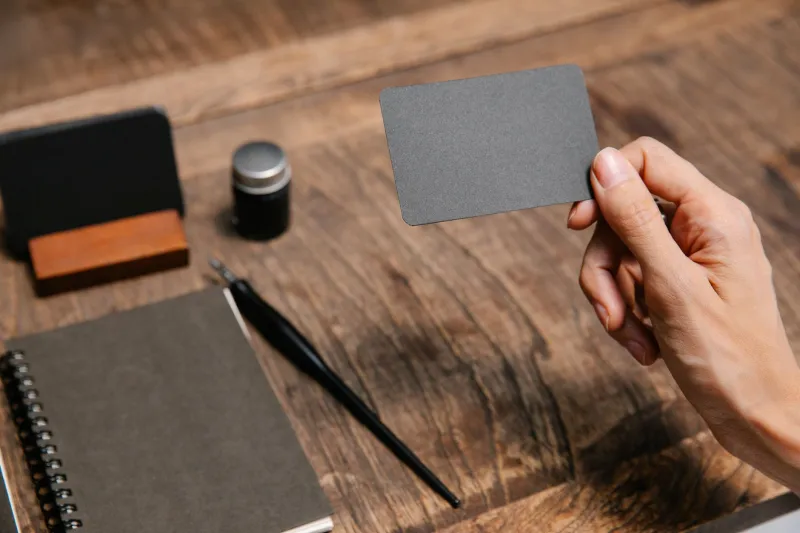
Let's be honest: the average American scrolls past hundreds of ads before lunch. Banner blindness is real, email open rates keep sliding, and nobody's watching that pre-roll video if they can help it. But a well-designed postcard? That gets touched. Looked at. Stuck to the fridge. That's the quiet advantage of print in 2025 — it doesn't compete for attention on a screen, because it isn't on one.
Here are seven ways local businesses are putting physical marketing to work right now.
1. The Every-Door Postcard, Done Right
Postcards remain the workhorse of local print marketing because they require zero effort from the recipient — no envelope to open, no click to click. The trick is restraint. One offer, one image, one clear call to action. A landscaping company in a suburb like Carmel or Cary doesn't need to explain everything on a 6x9 card; it needs a sharp photo, a seasonal offer, and a phone number big enough to read from across the kitchen.
Pro tip: pair the mailing with a matching landing page URL so you can actually track who's responding.
2. Door Hangers for Hyper-Local Service Businesses
If your customer base lives within a mile of your shop, door hangers put you literally on the front porch. Cleaning services, dog walkers, mobile detailers — these thrive on proximity, and a hanger with a tear-off coupon converts better than most digital ads at a fraction of the cost per impression. Route them after a storm, before the holidays, or right when seasonal demand spikes.
3. Brochures That Answer Questions Instead of Reciting Features
The old tri-fold stuffed with company history is dead. The brochure that works now reads like a helpful guide: "Five Questions to Ask Before You Hire a Roofer" with your contact info printed right on the back panel. Leave them at complementary businesses — a mortgage broker's brochure at a real estate office, for example — and you've built a referral network out of paper.
4. Oversized Direct Mail With Something People Keep
A magnet calendar, a measurement converter card, a small notepad — direct mail that doubles as a useful object sticks around for months. A plumber's magnet on the fridge is an ad that shows up exactly when a pipe bursts. The cost per retained impression beats almost anything digital.
5. Event and Trade Show Pieces Worth Carrying Home
Trade shows are back in full force across convention centers from Denver to Atlanta, and everyone hands out the same flimsy flyer. Stand out with a heavier cardstock piece, a folded mini-brochure, or a rack card with a genuinely useful checklist. Weight and finish signal quality before anyone reads a word.
6. Menus, Rack Cards, and Counter Displays in Partner Locations
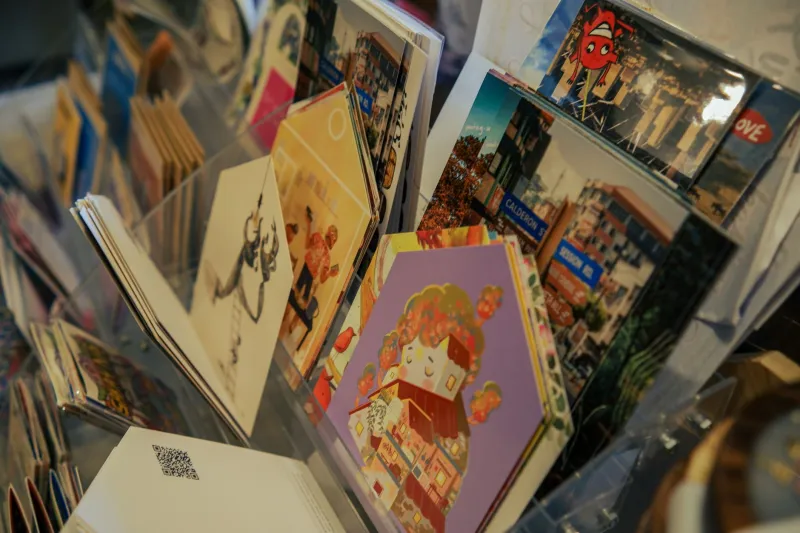
Barbershops, coffee shops, gyms — these counter spaces are prime advertising real estate, and the price of admission is often just a free stack of your own cards. A well-printed rack card by the register of a busy café can outperform a month of boosted social posts for a local service.
7. Loyalty Punch Cards (Yes, Really)
Apps lose people to forgotten passwords and deleted notifications. A punch card lives in the wallet — a physical reminder every time it's opened. Coffee shops, salons, and frozen yogurt spots keep proving that "buy nine, get the tenth free" printed on sturdy cardstock still drives repeat visits.
Measuring What Actually Works
Print doesn't have to be a black box. Use unique promo codes, dedicated phone numbers, or simple URLs per campaign. Ask every new customer, "How'd you hear about us?" and write it down. After two or three mailings, the patterns get obvious fast.
The bottom line: digital channels are rented space in an increasingly crowded room. Print is a piece of someone's kitchen counter. If you're a local business trying to get noticed, that difference matters more in 2025 than it has in a decade — and getting started costs less than you'd think.