Proof It Twice, Print It Once: Five Costly Print Disasters and How to Dodge Them
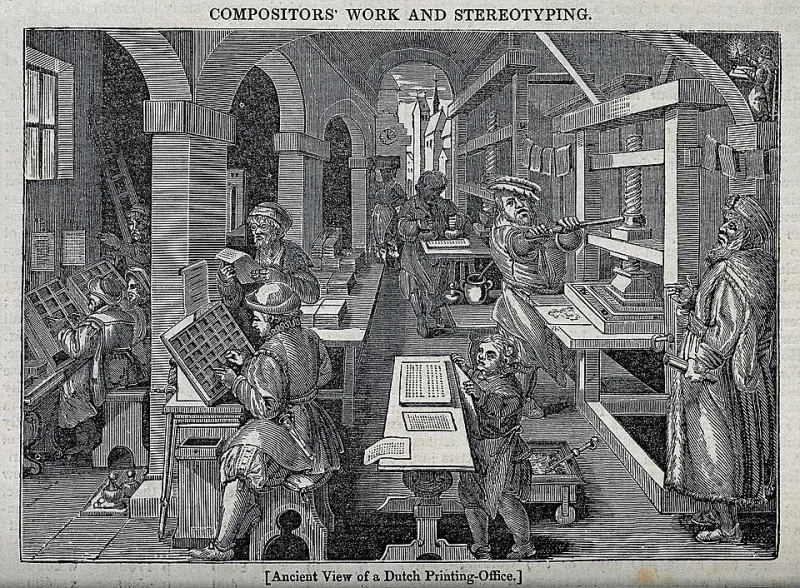
Photo: Unknown, CC BY 4.0, via Wikimedia Commons
Print is permanent. That's part of its charm — and part of its danger. A social post can be deleted in ten seconds. A banner with your business name spelled wrong? That thing hangs there, taunting you, until somebody pays for a reprint.
We've heard a lot of stories over the years at Wingate Print Co., and the best ones all start the same way: "We didn't catch it until it was too late." Here are five of the most common — and most expensive — print disasters we see, along with the damage they left behind.
1. The Grand-Opening Banner With a Math Problem
A new barbecue joint in a mid-sized Texas town ordered a vinyl banner for its opening weekend. The phone number was right. The hours were right. But the URL read ".cm" instead of ".com."
Nobody caught it. The banner hung over the door for three weeks while customers who tried to look up the menu online landed on an error page. The owner finally noticed, ordered a reprint, and ate the cost — roughly $180 — plus the three weeks of confused potential customers who gave up and ordered pizza instead.
The lesson: URLs and phone numbers are the two things people actually type or dial. Read them backward, character by character, before approving anything.
2. The Business Card That Sent Clients to a Stranger
A freelance bookkeeper in Ohio printed 1,000 cards with her old office number — the one she'd cancelled six months earlier. Worse, that number had been reassigned. For nearly a year, potential clients dialing her card reached a guy who sold boats.
She handed out cards at three networking events during that stretch. How many calls she lost, she'll never know. The reprint was cheap. The dead air wasn't.
The lesson: Contact info on printed material should be verified the day you send the file, not pulled from an old design you "just tweaked."
3. The Smudged Menu Fiasco
A family restaurant cheaped out on a print run for its new dinner menus, going with an online vendor that promised rock-bottom prices and no proofing. The menus arrived with ink that transferred onto diners' fingers — and onto the white tablecloths.
Reviews started mentioning it. Not the food. Not the service. The greasy menus. The restaurant reprinted on heavier stock with a proper coating, but the online reviews were already up, and "sticky menus" became a weird badge the place wore for months.
The lesson: Cheap paper and cheap ink aren't bargains when the item lives in someone's hands. Stock choice is part of your brand.
4. The Trade Show Brochure That Advertised Last Year's Price
A landscaping company updated its service brochure but forgot to change the pricing sheet inside. At a spring home show, they handed out 400 brochures quoting 2023 rates on 2025 services.
When customers called to book at the printed price, the company had to either honor outdated (and unprofitable) pricing or awkwardly walk it back. They did a bit of both and pleased no one.
The lesson: Every piece of print should carry a version date somewhere internal — even a tiny code on the back panel — so outdated files never sneak back into rotation.
5. The Misspelled Yard Sign That Became a Local Joke
A candidate for county office ordered yard signs with his own last name misspelled. Neighbors noticed immediately. Photos made the rounds on the local Facebook group. For the rest of the campaign, he was "that guy."
Reprinting 200 signs mid-campaign cost him real money and, worse, handed opponents an easy punchline about attention to detail.
The lesson: Have someone who has never seen the design read it fresh. Familiarity is the enemy of proofing.
Your Pre-Flight Proofing Checklist
Before you approve any print run, run through this list:
- Read names, numbers, and URLs backward. Typos hide in familiar text.
- Verify every phone number by dialing it. Yes, actually dial it.
- Confirm dates, times, and addresses against a calendar and a map, not memory.
- Check the file resolution — images should be at least 300 DPI at print size, or they'll come out soft and blurry.
- Review colors in CMYK, not just on your screen. Screens lie; monitors run bright and saturated.
- Look at bleeds and margins. Important text should sit well inside the trim line.
- Print a test copy at home, even on a basic printer, to catch layout issues.
- Get a second pair of eyes. The fresher the reader, the better.
- Confirm quantities and paper stock on the final estimate before signing off.
None of these steps takes more than a few minutes. Together, they're the difference between a print piece that works for you and one that works against you.
Print's whole appeal is that it sticks around. Make sure what sticks is the version you actually meant to send.