Your Truck Already Has a Route: Make It a Rolling Ad Campaign
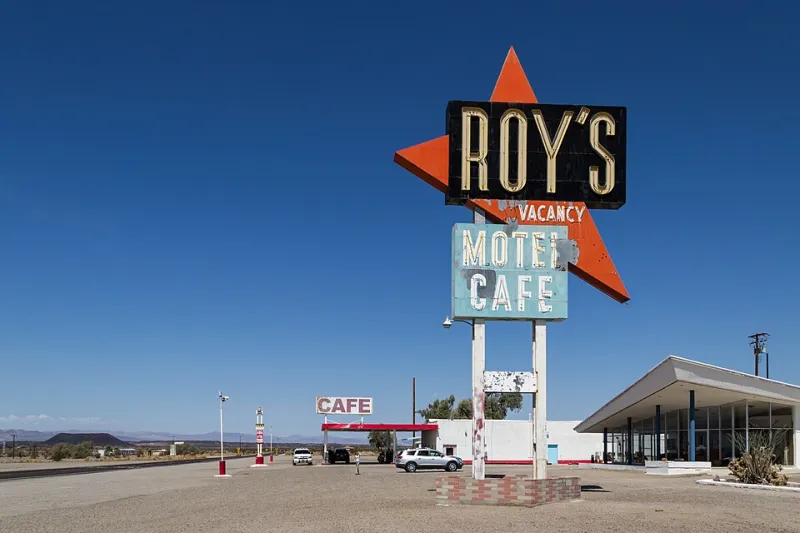
Photo: Dietmar Rabich, CC BY-SA 4.0, via Wikimedia Commons
Your work van is already on the road. It is parked in front of jobs, idling at supply yards, and driving the same routes your customers drive. That is a lot of free exposure for a surface most service businesses leave blank—or cover with a magnetic sign that slides off at highway speed.
The math is boring, which is why it works
A vehicle wrap is not cheap. A full wrap on a cargo van can run $3,000 to $5,000 or more, depending on size and design. A partial wrap might land between $1,500 and $3,000. Magnetic signs are often $50 to $150 for a pair. Decals sit in between. On a per-impression basis, the math gets interesting fast.
A single van driving around a mid-sized US metro can generate thousands of visual impressions a day. Most of those people will not need a plumber or landscaper that week. But the point of a moving billboard is not closing the sale at the stoplight. It is stacking up familiarity so that when a pipe bursts or a lawn turns into a jungle, your name is already in the mental file.
Wrap, decal, or magnet?
A full wrap gives you the most color and the most coverage. It also protects the paint underneath and can be removed later. A partial wrap—doors, rear panels, maybe a stripe—costs less and still delivers the core message. Decals are a good choice if you want to add a phone number and logo to an existing vehicle without committing to full coverage. Magnetic signs are the starter option. They are cheap, removable, and better than nothing, but they can scratch paint if grit gets underneath, and they are easy to steal or lose.
If your van is leased, check the rules before you wrap. Most wraps are removable, but you do not want to find out about a penalty after the fact.
Design for a 55-mph glance
A vehicle graphic has about three seconds to register. That means:
- Three to five words, max. Company name and one service line.
- High contrast. Dark text on a light background, or light text on a dark background. Avoid low-contrast pastels.
- A phone number people can read at a distance. If the number is long, make it bigger, not smaller.
- One website, not three. Use a short URL if you have one.
- No tiny service lists. 'Plumbing, heating, cooling, drains, repairs, installations, and more' is a paragraph, not a sign.
- Keep windows clear. You need visibility, and many states have rules about covering windshields and side windows.
The best wraps look like the business: clean, confident, and easy to read. A busy wrap with ten services and a photo of every technician is a rolling business card nobody can read.
Don't wrap yourself into a legal mess
Vehicle signage rules vary by state and sometimes by city. You generally cannot cover windshields, side windows, or lights. Some places restrict certain colors or strobe-like effects. If you use a magnetic sign, make sure it does not interfere with airbags or sensors. A quick check with your local DMV or a wrap installer is worth the five minutes.
Make the route count
A van is not a billboard on a highway. It is a billboard that can park. That is the advantage. Park where your customers are: job sites, supply stores, coffee shops near residential neighborhoods, little league fields on Saturday morning. Be visible in the neighborhoods you serve. If you sponsor a local team, put the van near the field. If you work in a subdivision, park on the street side, not tucked behind the house.
Measuring a moving target
You cannot count every glance. But you can count the calls that come from the van. Use a dedicated tracking number or a short URL on the vehicle. Ask new customers how they found you, and write it down. A simple line on the intake form—'How did you hear about us?'—will tell you more than any impression estimate.
At Wingate Print Co., we print wraps, decals, and signs for service businesses that spend their days driving. The best ones treat the van like a full-time employee: it shows up, it looks sharp, and it never forgets to mention the phone number.
Your truck already has a route. Make it a rolling ad campaign.